Digital Nomad Managing Financials
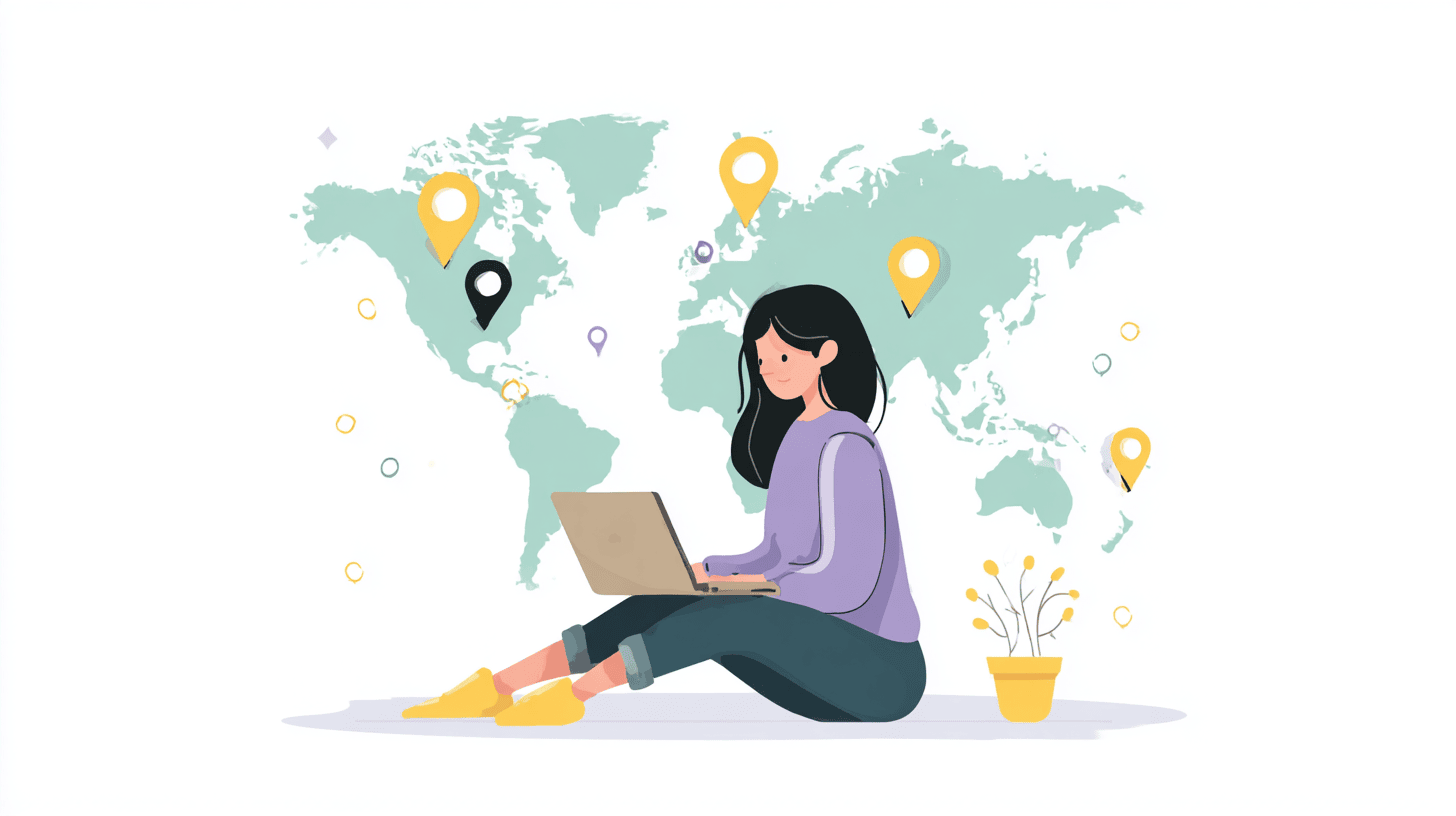
Sofia, a UX designer, works from Bali, Lisbon, and Tokyo throughout the year, serving clients across three continents.
Using her Single Shareholder Zone Company, Sofia maintains a stable business identity with compliant banking, accepting both fiat and crypto payments from clients worldwide.
She invoices international clients in multiple currencies, receives payments through streamlined fiat and crypto rails with easy off-ramps, and manages her finances without repeatedly explaining her nomadic lifestyle to financial institutions.
The Free Zone provides location-independent professionals with a permanent legal home that travels with them, enabling seamless global business operations with both traditional and digital currencies.
Freelancer Managing Client Relationships
James, a freelance software developer in Lagos, works with clients in the US, UK, and Singapore, but struggles with payment delays and currency conversion fees.
With his Single Shareholder Zone Company, James presents a professional business structure that international clients trust and recognize.
He invoices clients directly in their local currencies, receives payments to his Zone company account, and maintains clear contracts through Zone OS.
Freelancers can establish professional legitimacy and streamline international payments without the cost and complexity of traditional incorporation.
Early-Stage SaaS Founder
Asha launches her project management SaaS as a solo founder, bootstrapping from Nairobi while targeting global customers.
She starts with a Single Shareholder Zone Company, keeping legal overhead minimal while focusing on product development and early customers.
As Asha brings on a technical co-founder and advisor, her company seamlessly transitions to a Startup Zone Company without expensive restructuring or legal complications.
Free Zone companies grow with your business, from solo founder to founding team, without the friction of traditional corporate restructuring.
Cross-Border Startup Team
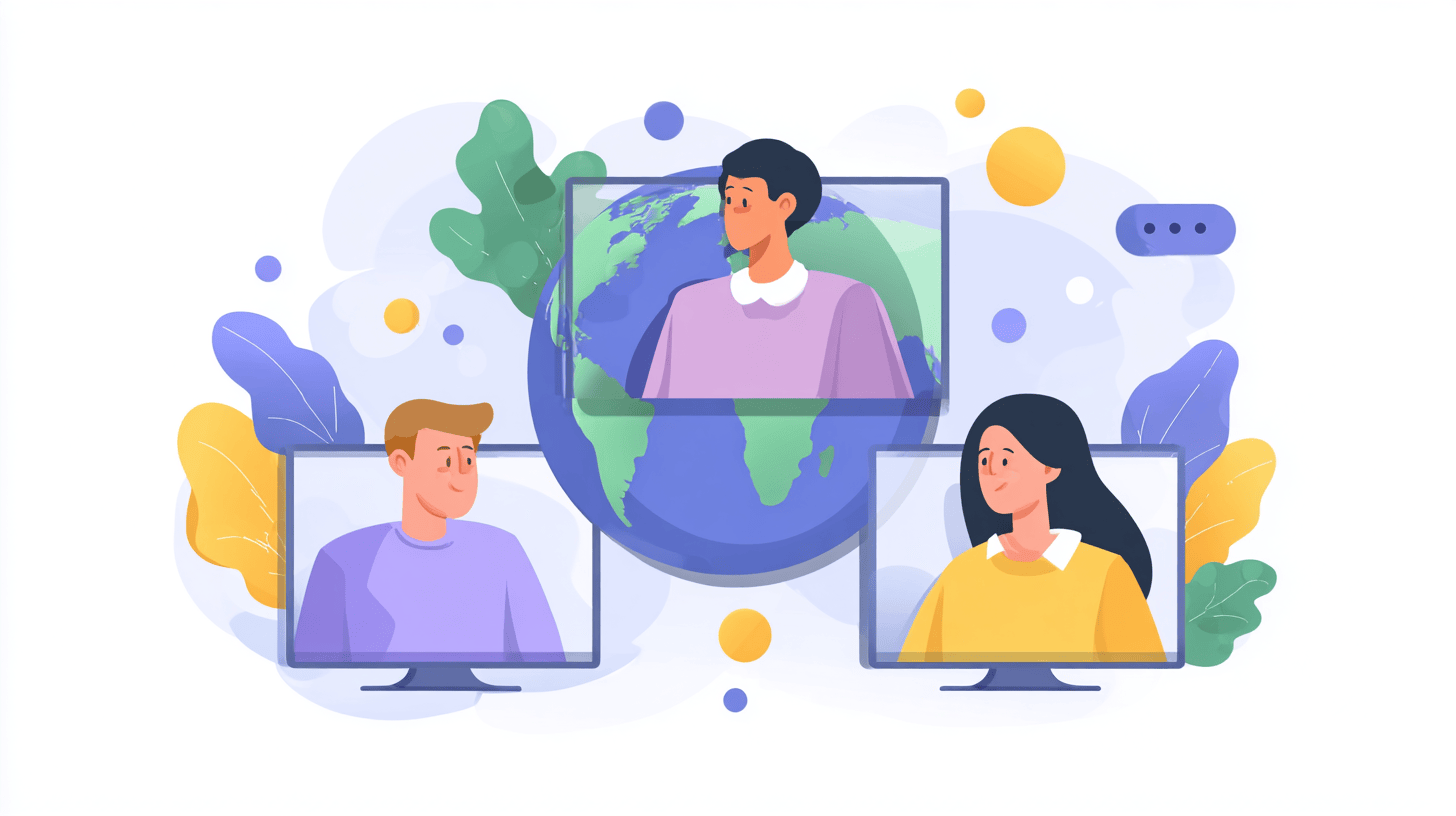
Maya in Mumbai, Carlos in Mexico City, and Yuki in Tokyo co-found a fintech startup but struggle to find a fair legal home base.
They establish a Startup Zone Company, creating a jurisdiction-neutral home that doesn't favor any founder's location over another.
The team collaborates through Zone OS, managing equity splits, shareholder agreements, and company decisions transparently across time zones.
Globally distributed founding teams can establish fair, location-neutral companies that reflect modern remote collaboration.
Web3/Crypto Startup
Alex's DAO tooling startup needs to hold cryptocurrency treasury, pay contractors in stablecoins, and eventually issue governance tokens.
Traditional jurisdictions create legal uncertainty around digital assets, forcing Alex to operate in regulatory grey areas or avoid crypto entirely.
With a Startup Zone Company, Alex's business natively supports digital assets with seamless fiat-crypto payment rails and compliant off-ramps, allowing the company to hold crypto treasury and conduct token transactions as standard business operations.
The Zone provides legal clarity for blockchain businesses, treating digital assets as legitimate business tools with streamlined payment infrastructure.
AI Agent Developer
Marcus builds a simple AI customer service agent that can handle inquiries, process orders, and provide product recommendations 24/7.
He deploys his AI agent to serve businesses globally but needs a legal structure for the agent to operate from, accept payments, and conduct business autonomously.
The Free Zone allows his agent to operate autonomously with its own company structure, allowing it to invoice clients, receive payments, and operate globally while Marcus maintains streamlined financial control.
Developers can create revenue-generating AI agents with their own legal identity and business operations while maintaining simple oversight and control of revenues.
Remote-First Tech Company
A 50-person software company has engineers in Berlin, designers in Buenos Aires, and support staff in Manila, but struggles with equity grants and benefits across different countries.
The company establishes a Growth Zone Company that treats all employees equally regardless of location, eliminating the need to set up legal entities in each country.
Through Zone OS, the company grants equity to Argentinian designers and Filipino support leads just as easily as German engineers, with unified benefits and streamlined payroll for everyone.
Remote-first companies can establish legal structures that match their operational reality rather than forcing distributed teams into location-based corporate models.
Regional Creative Guild Cooperative
80 designers and writers across Southeast Asia form a cooperative to collectively serve enterprise clients while maintaining fair revenue distribution.
They establish a Standard Zone Cooperative with democratic governance, where each member has one vote regardless of their revenue contribution or seniority.
Project revenue is distributed fairly among contributing members through Zone OS, which manages collective IP, client relationships, and transparent financial accounting.
Creative professionals can form worker-owned cooperatives that combine collective bargaining power with fair governance and transparent operations.